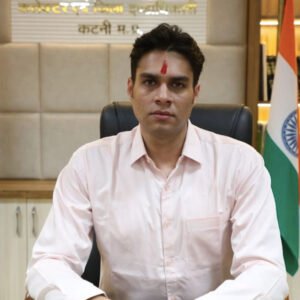
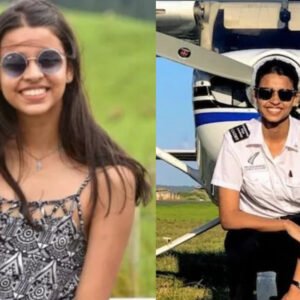
Captain Sumit Kapoor biography reveals the veteran pilot’s 16,000+ flying hours, career with major airlines, family life with pilot son, and tragic death in Baramati crash 2026.
Who is Captain Sumit Kapoor?
Captain Sumit Kapoor was a highly accomplished Indian commercial pilot who tragically lost his life while commanding the chartered Learjet 45 aircraft that crashed near Baramati Airport on January 28, 2026. The fatal accident claimed six lives, including Maharashtra Deputy Chief Minister Ajit Pawar, making it one of the most devastating aviation tragedies in recent Indian political history.
With over 16,000 hours of flying experience accumulated across three decades, Captain Kapoor represented the pinnacle of professional aviation excellence in India’s non-scheduled charter operations sector. He built his illustrious career flying for prestigious airlines including Sahara, Jet Airways, and Jetline before transitioning to corporate aviation with VSR Aviation, where he served as one of their most senior and trusted jet pilots.
Based in Delhi, Captain Kapoor was not only an exceptional aviator but also a mentor to the next generation of pilots. His son followed in his footsteps, working as a pilot with the same company, VSR Aviation. This family legacy in aviation underscored his deep passion for flying and his commitment to maintaining the highest standards of professionalism in the cockpit.
Quick Facts About Captain Sumit Kapoor
| Details | Information |
|---|---|
| Full Name | Captain Sumit Kapoor |
| Profession | Commercial Pilot |
| Rank | Captain (Pilot-in-Command) |
| Total Flying Hours | Approximately 16,000 hours |
| Base Location | Delhi, India |
| Final Employer | VSR Aviation (VSR Ventures Pvt Ltd) |
| Previous Airlines | Sahara, Jet Airways, Jetline |
| Aircraft Expertise | Learjet 45 (business jets) |
| Family | Son (also a pilot with VSR Aviation) |
| Date of Death | January 28, 2026 |
| Place of Death | Baramati Airport, Pune District, Maharashtra |
| Age at Death | Not publicly disclosed |
| Flight Number | VT-SSK (Learjet 45XR) |
Aviation Career and Professional Journey
Early Career with Major Airlines
Captain Sumit Kapoor’s aviation career began with some of India’s most prominent airlines during the golden era of domestic aviation expansion. His tenure with Sahara Airlines provided him foundational experience in commercial operations, where he developed his skills flying scheduled routes across India. This early exposure to high-density air traffic and diverse weather conditions shaped his capabilities as a professional aviator.
His subsequent move to Jet Airways, once India’s premier private airline, marked a significant milestone in his career progression. At Jet Airways, he gained invaluable experience operating sophisticated aircraft and managing complex flight operations across both domestic and international routes. This experience enhanced his understanding of modern aviation systems and international aviation standards.
Captain Kapoor also served with Jetline, further diversifying his operational experience across different aircraft types and operational environments. Each airline tenure contributed to building the extensive 16,000-hour flying record that distinguished him as one of India’s most experienced commercial pilots.

Transition to Corporate Charter Operations
After establishing himself in scheduled airline operations, Captain Kapoor transitioned to corporate aviation with VSR Aviation, a Delhi-based charter company. This move represented a natural progression for experienced pilots seeking specialized operations involving high-profile clients and demanding flight schedules.
At VSR Aviation, he specialized in operating the Learjet 45, a sophisticated business jet known for its performance capabilities and advanced avionics. His mastery of this aircraft type made him the preferred choice for critical missions involving VIP passengers and time-sensitive charter operations. Company officials described him as “very seasoned” and “extremely experienced” with the aircraft type.
Role as Pilot-in-Command
As Pilot-in-Command (PIC), Captain Kapoor held ultimate responsibility for all aspects of flight operations. This role encompassed pre-flight planning, crew coordination, flight execution, and critical decision-making during all phases of flight, particularly takeoff and landing. His experience and judgment were crucial assets in ensuring safe operations under varying conditions.
VSR Aviation’s top official VK Singh spoke emotionally about Captain Kapoor after the tragedy, describing him as “a very dear friend” and a “trusted senior jet pilot.” Singh emphasized that Kapoor was not just an employee but someone who embodied the highest standards of professionalism and human character.
Family Life and Legacy
Captain Sumit Kapoor’s personal life reflected his deep commitment to aviation through his family. His son pursued the same career path, becoming a commercial pilot with VSR Aviation, creating a unique father-son aviation legacy within the same organization. This generational continuity demonstrated the profound influence Captain Kapoor had as both a professional and a parent.

While specific details about his wife and other family members remain private out of respect for their grief, VSR Aviation officials indicated that Captain Kapoor was a family man who balanced his demanding professional responsibilities with personal commitments. His Delhi-based residence served as home base between charter operations across India.
The father-son pilot dynamic at VSR Aviation was noted by colleagues as something special, with both sharing not just a workplace but also professional insights and experiences. This relationship undoubtedly enriched both their careers and strengthened their bond beyond typical family connections.
The Fatal Baramati Crash
Flight Details and Circumstances
On the morning of January 28, 2026, Captain Kapoor commanded the Learjet 45XR (registration VT-SSK) departing from Chhatrapati Shivaji Maharaj International Airport in Mumbai at approximately 8:11 AM. The chartered flight carried Maharashtra Deputy Chief Minister Ajit Pawar, who was traveling to Baramati for political engagements ahead of local body elections.
Besides Captain Kapoor as Pilot-in-Command, the crew included First Officer Captain Shambhavi Pathak. The passenger manifest comprised Ajit Pawar, his Personal Security Officer Vidip Jadhav, and flight attendant Pinki Mali, bringing the total occupants to five souls on board.

The Tragedy Unfolds
The aircraft encountered poor visibility conditions as it approached Baramati Airport approximately 45 minutes into the flight. According to VSR Aviation officials, Captain Kapoor executed a missed approach due to insufficient runway visibility, demonstrating proper adherence to safety protocols. He then attempted a second landing approach.
During this second attempt, the aircraft lost control near the runway perimeter around 8:45 AM, resulting in a catastrophic crash that ignited massive fires and multiple explosions. Emergency responders rushed to the scene, but the impact and subsequent fire were so severe that all five occupants perished instantly.
Investigation and Findings
The Directorate General of Civil Aviation (DGCA) launched a comprehensive investigation examining weather conditions, visibility parameters, flight operations, and technical data. Preliminary assessments suggested that poor visibility was the primary contributing factor, though investigations continued to examine all possible causes.
VSR Aviation maintained that the aircraft was “absolutely fit” and “very well maintained,” ruling out known technical failures. The company emphasized that both pilots were highly qualified professionals familiar with charter operations on similar aircraft, and that standard operating procedures were followed.
Controversial Past Incidents
Media investigations following the crash revealed that Captain Kapoor had faced disciplinary action earlier in his career related to alcohol violations. According to records surfaced in Rajya Sabha proceedings, he had tested positive for alcohol in pre-flight breathalyzer tests on two separate occasions:

Following these incidents, he was reportedly kept off flying duty without pay for three months and had his instructor status revoked for two years under DGCA regulations (CAR Section V, Series F, Part III). However, he subsequently rebuilt his career and maintained an apparently clean record during his tenure with VSR Aviation, where he was described as highly professional and reliable.
Professional Reputation and Tributes
Despite past controversies, Captain Kapoor had earned significant respect within the aviation community for his technical expertise and operational proficiency. VSR Aviation officials consistently praised his capabilities with the Learjet 45 and his ability to handle challenging flight operations.
VK Singh’s emotional tribute following the crash underscored the personal relationships Captain Kapoor had built: “Captain Sumit was a very dear friend. Both of them were extremely good human beings and extremely good pilots.” This sentiment was echoed by colleagues who worked with him throughout his charter aviation career.
His 16,000 hours of flying experience placed him among India’s most experienced non-scheduled aviation pilots. This extensive flight time represented decades of safely transporting passengers across diverse weather conditions, operational challenges, and high-pressure situations involving VIP clients.

Impact and Industry Response
The loss of Captain Kapoor and Captain Pathak shocked India’s aviation community, prompting discussions about pilot training, weather management protocols, and charter aviation safety standards. Industry professionals noted the inherent risks aviators accept when flying demanding schedules with high-profile passengers under varying conditions.
The tragedy highlighted the critical importance of experienced pilots in corporate aviation, where flight operations often involve smaller airports with limited infrastructure compared to major commercial hubs. Captain Kapoor’s decision to execute a missed approach demonstrated professional judgment, though the subsequent events proved tragic.
Aviation safety experts emphasized that the incident should be examined comprehensively to identify any systemic issues that could prevent future tragedies, while acknowledging that weather-related aviation accidents remain among the most challenging to predict and prevent.
Questions About Captain Sumit Kapoor
How many flying hours did Captain Sumit Kapoor have?
Captain Sumit Kapoor had accumulated approximately 16,000 hours of flying experience throughout his aviation career, making him one of India’s most experienced charter pilots.

Which airlines did Captain Sumit Kapoor work for?
Before joining VSR Aviation, Captain Kapoor flew for major Indian airlines including Sahara, Jet Airways, and Jetline, gaining extensive commercial aviation experience.
Did Captain Sumit Kapoor have family in aviation?
Yes, Captain Kapoor’s son is also a commercial pilot working with VSR Aviation, continuing the family’s aviation legacy.

Where was Captain Sumit Kapoor based?
Captain Sumit Kapoor was based in Delhi, India, from where he operated charter flights for VSR Aviation across the country.
What aircraft was Captain Sumit Kapoor flying during the crash?
He was commanding a Learjet 45XR business jet (registration VT-SSK) when the aircraft crashed near Baramati Airport on January 28, 2026.
What caused the Baramati crash?

Preliminary investigations suggest poor visibility conditions played a significant role, though the DGCA continued comprehensive investigations into all possible contributing factors including weather, technical data, and operational procedures.